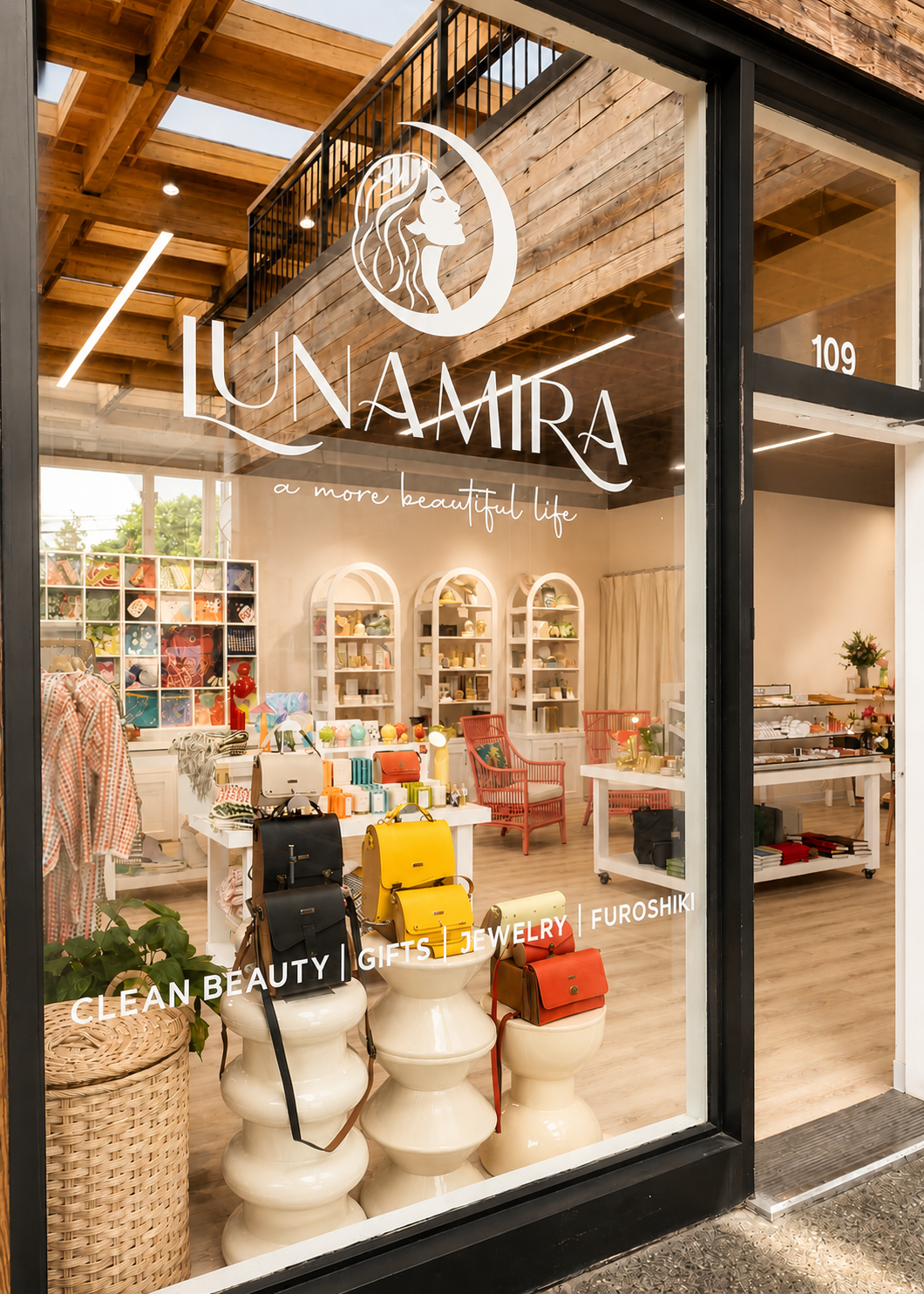
Lunamira retail storefront — Harmony House
Retail Design

Retail Is
Theater

Stores designed to feel like destinations — where the experience of being there is as considered as the product being sold.

The best stores feel like discoveries.

A retail space has to sell without selling. The moment a store feels optimised, pressured, or fluorescent — the experience collapses. What works is a space that feels designed for the customer to linger, to discover, to feel something.

Harmony House has designed retail environments for independent boutiques and hospitality-retail hybrids — each requiring a precise understanding of the customer's emotional journey and the brand's material identity.

Download our free retail design guide for the six decisions that determine whether a retail environment builds the kind of loyalty advertising cannot.

Free Download
The Harmony House Guide to Retail Interior Design
Customer journey, lighting as merchandising, millwork, the threshold moment, material brand identity, and operational design — what makes a retail environment genuinely work.

No spam. We use your email to follow up about your project only.

Thank you — your guide is ready.
We'll also be in touch shortly.

↓ Download Guide
Design Intelligence

Six Considerations for Every Retail Project

01
The Discovery Brief
A discovery-oriented layout creates zones that feel semi-autonomous — each with its own character. Customers explore rather than process through, and dwell time increases.
02
Lighting as Merchandising
Accent lighting at 3–5× the ambient level draws the eye to merchandise. The colour temperature is a brand decision. Retail lighting is not illumination — it is a selling tool.
03
Display Fixtures and Millwork
Custom millwork is the brand's physical identity. Stock fixtures signal a generic environment; custom millwork creates a space that is specifically itself. This is not where to save money.
04
The Threshold and Window
The storefront determines whether a customer enters at all. The window display conveys a point of view in under three seconds. This is the brand's first and most important statement.
05
Material Brand Identity
A material palette of three to five elements, carried consistently through floors, walls, and fixtures, is more powerful than a statement wall and more durable than any graphic identity.
06
Operations and Staff Experience
A store that is beautiful but operationally impossible will fail its staff — and ultimately its customers. Counter position, wrapping area, and stock room access are designed in the design phase.
The best retail environments sell without selling. People return not because they were sold to, but because they felt something in the space.
Emily Kissel & Jenni Kupersmith — Harmony House
Selected Work

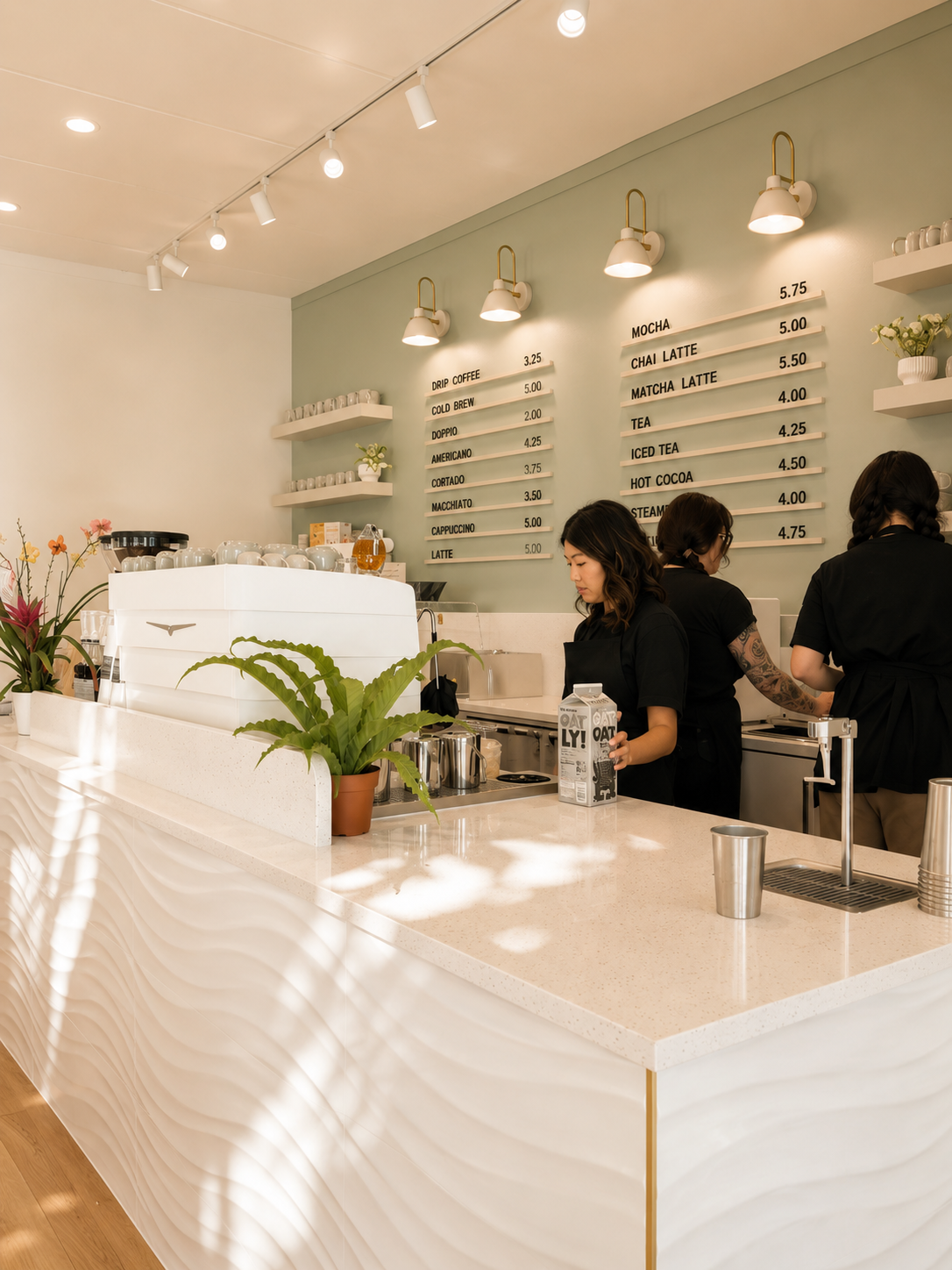
Retail Projects

View All Projects
Lunamira storefront
From the Journal

Retail Is Theater: Telling a Brand Story Through Space

Lunamira asked us to build a store that felt like a discovery — where wrapping a gift became a ritual. That brief taught us everything about sequencing, threshold moments, and the power of a well-placed mirror.

Read Article →
Start a Conversation

Ready to Begin
Your Project?

Harmony House designs retail environments that earn repeat visits — not because of advertising, but because of how the space makes people feel.

Get in Touch